


In the quiet corners of our neighborhoods, behind closed doors, and hidden from the world’s gaze, a silent and insidious menace persists – domestic violence. It’s a harsh reality that leaves an indelible mark on the lives of countless women and children across the globe. This blog post delves into the devastating impact of domestic violence on these vulnerable victims, shedding light on the shadows that often conceal their suffering.
The Hidden Scourge
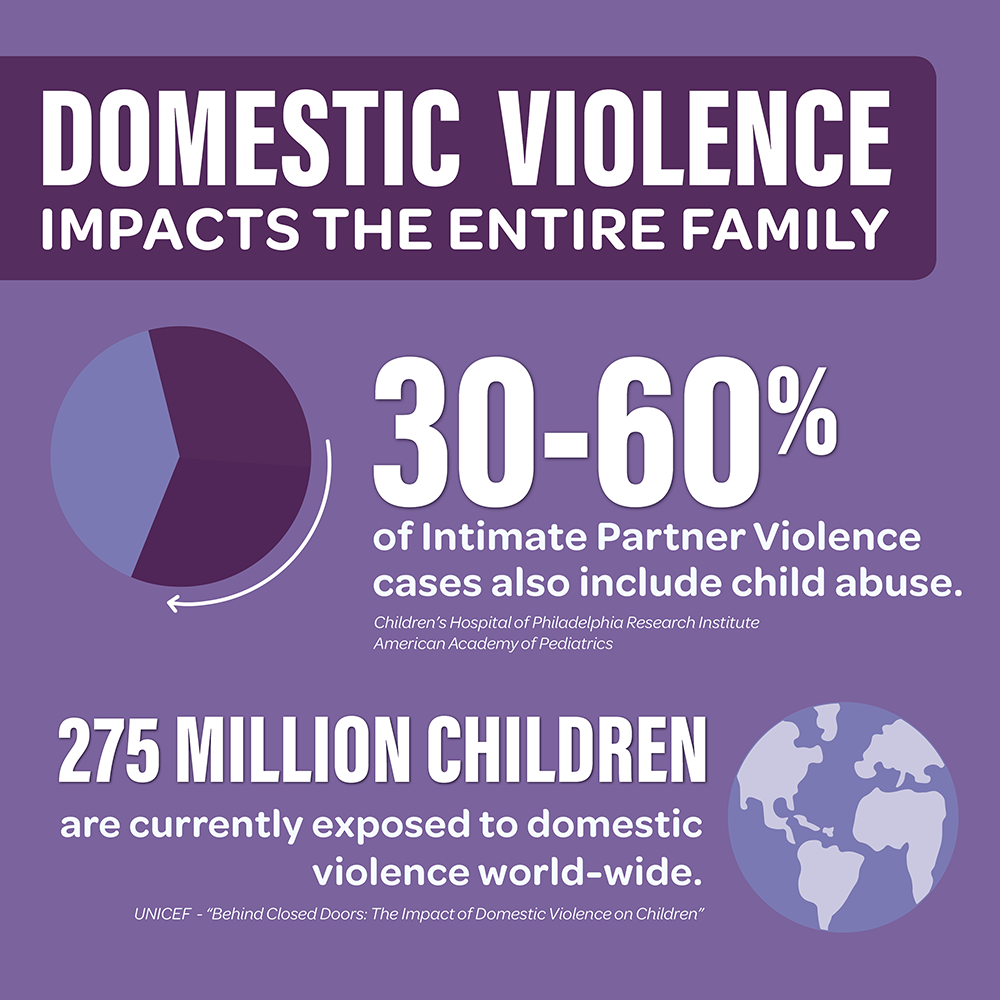
Domestic violence knows no boundaries; it transcends age, race, socioeconomic status, and education. Its victims are as diverse as society itself. 1 in 9 men experience domestic violence in their lifetime, however, majority are women (1 in 4) and children (1 in 15), trapped in a cycle of abuse that leaves scars not only on their bodies but also on their psyches.
Physical and Emotional Trauma
At its core, domestic violence inflicts physical and emotional trauma on its victims. Bruises and broken bones are the visible manifestations of the violence, but the emotional wounds often run much deeper. Women and children living in abusive environments are constantly subjected to fear, humiliation, and degradation. The very place that should be their sanctuary becomes a living nightmare.
Long-term Health Consequences
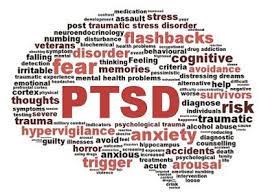
The toll of domestic violence extends far beyond the immediate physical and emotional trauma. Victims often suffer from long-term health consequences. Chronic stress, anxiety, depression, and post-traumatic stress disorder (PTSD) can haunt them for years, affecting their overall well-being. In some cases, the trauma even leads to substance abuse as a way of coping with the pain.
Impact on Children
For children growing up in households plagued by domestic violence, the effects can be particularly devastating. Witnessing violence against a parent or caregiver can lead to a range of behavioral and emotional problems. These children may develop a skewed understanding of healthy relationships, leading to a cycle of violence that perpetuates for generations.
Barriers to Seeking Help
Breaking free from an abusive relationship is far from easy. Many women face financial dependency, making it difficult to escape their abusers. Fear of retaliation, social stigma, and feelings of shame can also act as barriers to seeking help. The isolation imposed by an abuser further limits their access to support networks.
The Importance of Support and Advocacy
It is crucial to recognize the signs of domestic violence and offer support to those in need. Communities, law enforcement agencies, and advocacy groups play a pivotal role in raising awareness and providing assistance. Shelters, hotlines, and counseling services offer a lifeline to those seeking refuge from abusive relationships.
Breaking the Cycle
Ending the cycle of domestic violence requires a multi-faceted approach. This includes educating individuals on healthy relationships from a young age, providing resources and safe spaces for victims, and holding abusers accountable for their actions through the legal system. It also requires a societal shift in attitudes towards domestic violence, ensuring that it is never tolerated or normalized.
Conclusion
The devastating impact of domestic violence on women and children is a grave concern that demands our attention and action. It is a societal issue that affects us all, and it is only through collective efforts that we can hope to eradicate this scourge. By breaking the silence, offering support, and advocating for change, we can create a world where every woman and child can live free from the shadow of domestic violence, where their lives are defined by safety, dignity, and hope. When you are ready or need help visit/call the National Domestic Violence Hotline at 800-799-75233 or log on to thehotline.org.